Choosing the Right Toyota Forklift for Manufacturing and Industrial Operations in Singapore
Manufacturing facilities in Singapore often handle a wide variety of materials, from packaged components and raw materials to finished products ready for distribution. These goods may need to move between receiving bays, production lines, temporary storage areas and dispatch zones throughout the day. Choosing a suitable Toyota forklift helps businesses evaluate how material handling equipment can support production flow, manage different load requirements and reduce unnecessary movement within industrial facilities.
A forklift selected without considering the actual application may create difficulties even when its rated capacity appears adequate. Restricted turning space, unsuitable attachments, uneven floors or excessive travel distances can affect how effectively a machine performs its assigned tasks. A careful equipment assessment considers the complete operating environment, allowing manufacturers to choose machinery that supports the way materials move through their facility.
Understand the Material Handling Requirements
Before selecting a forklift, manufacturers should map the main movement of materials throughout the production process. This includes incoming deliveries, movement to storage, transfer to workstations, handling of finished goods and loading for outbound transportation.
A Toyota forklift Singapore solution should be evaluated against the load weights, dimensions, lifting heights and travel distances involved in these tasks. Understanding these requirements helps prevent the selection of equipment that is too large for the working space or unsuitable for the materials being handled.
Handling Raw Materials and Components
Raw materials can vary considerably in shape, weight and packaging. Palletised components may be suitable for conventional forklift handling, while unusually shaped or fragile materials may require a different attachment or handling method approved for the equipment.
Businesses should identify how each load is secured and whether the proposed forklift can handle it within its rated capacity. Loads that are unstable, poorly packaged or difficult to see around require additional assessment before being moved.
Supporting Production Line Supply
Production areas often depend on materials arriving at the right place and time. If forklifts repeatedly travel long distances or wait for access to busy workstations, material supply can become a bottleneck that affects output.
Reviewing delivery routes, staging locations and replenishment schedules can help reduce avoidable travel. Equipment selection should support these arrangements while keeping forklift routes separate from pedestrian areas wherever practicable.
Select Equipment for the Working Environment
Manufacturing facilities differ in floor conditions, available space, ventilation and the type of materials they process. Equipment should be selected according to the conditions in which it will operate, rather than assuming that one forklift type suits every industrial application.
Counterbalance Forklifts for General Industrial Handling
Counterbalance forklifts can be suitable for many pallet-handling tasks, including moving goods between loading bays, storage areas and production zones. Their suitability depends on the required lifting capacity, dimensions, turning clearance and the surfaces on which they will operate.
Before purchasing, confirm the actual rated capacity for the intended load and lifting configuration. The manufacturer's specifications should be used to determine whether the machine can safely handle the required materials.
Electric Forklifts for Suitable Indoor Work
A Toyota electric forklift may be suitable for indoor manufacturing environments where direct exhaust emissions and operating noise are important considerations. Electric models can support material movement within facilities that have appropriate charging arrangements and workloads compatible with the equipment.
Businesses should assess battery capacity, charging access, operating hours and the requirements of the working environment. They should also confirm whether the specific model is suitable for the conditions present in the facility, particularly where heat, dust, moisture or specialised industrial processes are involved.
Specialised Equipment for Restricted Areas
Some production facilities have narrow aisles, elevated storage or restricted manoeuvring space. A reach truck or another specialised warehouse truck may be more appropriate than a conventional counterbalance forklift for certain applications.
The decision should account for rack design, aisle width, load dimensions and floor conditions. A site assessment can help determine whether specialised equipment offers a practical advantage without introducing new handling constraints.
Improve Safety Around Production Equipment
Manufacturing environments may contain moving machinery, pedestrian walkways, temporary storage and delivery vehicles. Forklift traffic should be assessed as part of the facility's wider risk management process, particularly where operators need to approach workstations or cross routes used by employees.
Establish Clear Traffic Routes
Designated forklift routes and pedestrian walkways can help reduce conflicts between people and vehicles. Crossings, blind corners and busy loading points should receive particular attention because visibility may be limited when equipment or materials obstruct the operator's view.
Traffic arrangements should reflect the actual movement of goods and employees. Markings alone may not be sufficient, so businesses should consider suitable physical separation, warning systems, visibility improvements and supervision according to the identified risks.
Handle Loads According to Their Specifications
Manufacturing materials may have unusual dimensions or weight distribution, making correct load assessment essential. Operators should understand how the load affects stability, visibility and the forklift's rated capacity before moving it.
Where a load requires a special attachment or handling procedure, the equipment must be configured and operated according to the manufacturer's requirements. Operators should not improvise attachments or exceed the permitted capacity to complete a task more quickly.
Integrate Forklift Maintenance With Production Planning
An unavailable forklift can affect more than the warehouse. If the machine supplies components to a production line or moves completed goods to dispatch, equipment downtime may interrupt other activities throughout the facility.
Preventive maintenance should follow the manufacturer's recommendations and account for operating conditions. Inspection records, prompt defect reporting and planned servicing help businesses identify issues and coordinate maintenance without compromising essential safety requirements.
Train Operators for the Actual Application
Appropriate Toyota forklift training and workplace-specific familiarisation help operators understand the controls, load limits and hazards associated with their assigned equipment. Training should cover safe load handling, inspections, manoeuvring, pedestrian awareness and the procedures relevant to the facility.
Employers must ensure that operators meet the applicable Singapore training and authorisation requirements. Additional instruction may be needed when equipment types, attachments, material handling tasks or workplace layouts change.
Frequently Asked Questions About Industrial Forklifts
How do manufacturers choose the right forklift capacity?
They should assess the heaviest intended load, load centre, lifting height, attachments and working conditions. The manufacturer's rated capacity for the exact configuration must be confirmed before the equipment is assigned to the task.
Are electric forklifts suitable for manufacturing facilities?
They may suit many indoor applications, but the specific model must be appropriate for the environment and workload. Businesses should evaluate charging infrastructure, battery requirements, floor conditions and any specialised site hazards.
Can one forklift support the entire production process?
That depends on whether the equipment can safely perform every assigned task and reach all required working areas. Different loads, aisle dimensions or handling conditions may make more than one equipment type necessary.
Find a Forklift Solution That Fits Your Manufacturing Workflow
Effective industrial material handling begins with understanding the materials, production layout and operating conditions. By matching forklift capacity, equipment type, maintenance planning and operator competency to the actual application, manufacturers can create a more organised approach to moving goods throughout their facility.
Visit Toyota Material Handling Singapore at https://toyota-mhe.simeumw.com/home to explore material handling solutions. Contact the team today to discuss your manufacturing workflow, load requirements and site conditions, and identify a suitable forklift solution to support safer, more consistent and more efficient industrial operations.
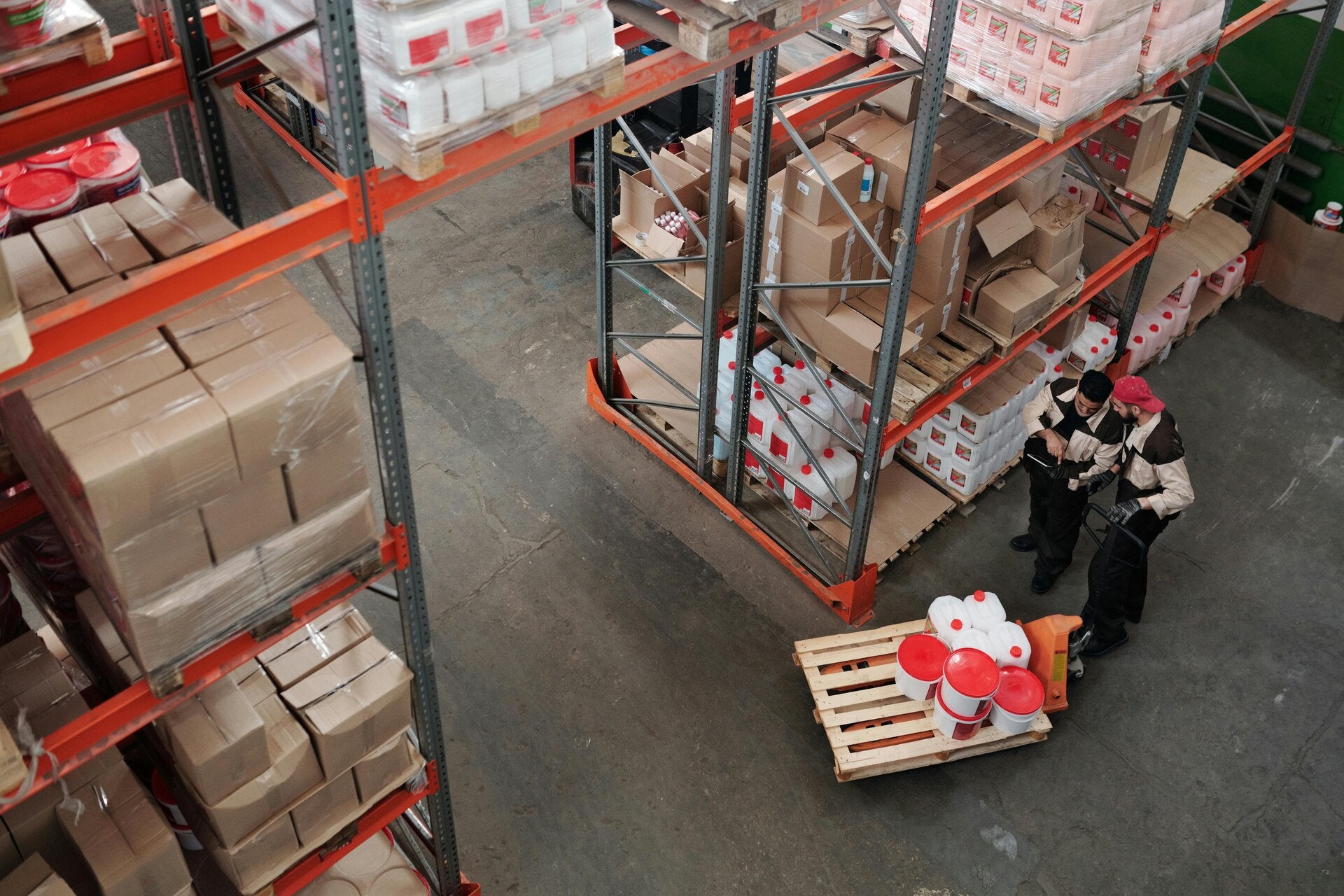
Unrivaled engineering and heritage
Toyota forklifts are celebrated worldwide for their durability, ergonomic design, and unmatched performance. We look deep into the technology and precision manufacturing that make these machines the gold standard across demanding distribution centers and busy job sites.

Maintenance insights and longevity
Routine care is the foundation of long-term uptime. We explore preventative maintenance schedules, battery and engine diagnostics, and safety protocols designed to keep your equipment running smoothly shift after shift.

The future of material handling
From advanced electric drivetrains to integrated telematics and automated guided vehicles, explore how modern fleet innovations are transforming logistics. Stay updated with the latest trends shaping smarter, cleaner, and safer warehouse operations.